
In our modern, hustle-driven world, we are constantly obsessed with growth. We want more leaves, more flowers, faster results, and bigger harvests. But nature does not operate in a state of perpetual expansion, and neither should your garden. To create a truly healthy, high-vibe space—whether that’s a sprawling backyard homestead or a curated collection of indoor houseplants—you must learn to honor the exhale.
In the lunar cycle, that exhale is the Waning Moon.
Following the explosive, sap-surging energy of the Full Moon, the moon begins to shrink in the sky. As the light fades, the energetic and gravitational pull shifts drastically, making this the most crucial two-week window for maintenance, pruning, weeding, and clearing out dead energy. If you want your spiritual plants to thrive, you need to master the art of the Waning Moon.
Is your indoor garden filled with the right energy? Make sure you are growing plants that actively support your spiritual journey. Download my free eBook, The Sacred Garden: 25 Spiritual Plants for Healing, Protection, & Abundance, and transform your space today. 👉 Click here to get your free copy now.
The Science of the Waning Moon: The Great Exhale
To understand why the Waning Moon is the ultimate time for garden maintenance, we have to look closely at the botanical physics of sap flow and lunar gravity.
During the Waxing Moon and the Full Moon, lunar gravity pulls moisture from the soil up into the leaves, stems, and flowers of the plant. The plant is bloated with sap, actively generating new cells, and completely focused on outward expansion.
But the moment the moon begins to wane, that gravitational pull reverses direction.
The Retreat of the Sap
As the moon’s light decreases, the gravitational pull on the earth’s water table begins to draw moisture downward. The sap that was previously flooding the upper foliage of your plants begins to slowly retreat back down the stems and into the root system. The upper portions of the plant enter a brief, two-week period of semi-dormancy.
Why Pruning Now Saves Plants
Because the sap has retreated, the Waning Moon is the absolute safest time to cut into a plant. If you aggressively prune a tree, a bush, or a houseplant during a Waxing Moon, the severed stem will literally “bleed” sap, losing vital nutrients and water. Furthermore, an open, bleeding wound on a plant is highly susceptible to bacterial and fungal infections.
When you prune during the Waning Moon, the wound dries and calluses over almost immediately because there is no upward pressure of sap forcing its way out. The plant is resting, which means the trauma of being cut is drastically minimized. It is the botanical equivalent of undergoing surgery while fully anesthetized rather than wide awake.
The Spiritual Mechanics: Clearing Dead Energy
The physical retreat of sap perfectly mirrors the spiritual energy of the Waning Moon. Across almost all esoteric traditions, the waning phase is associated with banishing, releasing, letting go, and clearing away that which no longer serves you.
The Magic of Letting Go
Just as a plant cannot push out fresh, vibrant new growth if it is wasting energy trying to keep a dying leaf alive, you cannot manifest new abundance if your space is cluttered with stagnant, dead energy. The Waning Moon is a cosmic green light to look critically at your life and your garden, and sever the attachments that are draining you.
When you prune a dying branch off a sacred plant, you are physically enacting a ritual of release. You are telling the plant (and your own subconscious), “We are no longer feeding this dead end.”
Weeding as an Energetic Cleanse
Weeds are simply plants growing where they are not wanted, stealing nutrients, water, and light from the botanicals you are trying to cultivate. Spiritually, weeds represent energetic parasites—bad habits, toxic relationships, or negative thought patterns that drain your vitality. Pulling weeds during the Waning Moon is one of the most powerful grounding rituals you can perform. With every weed you pull, you are actively reclaiming your energy and clearing your space.
Top 5 Gardening Tasks for the Waning Moon
To harness this period of rest and release, focus your gardening efforts on these five essential tasks.
1. Aggressive Pruning and Deadheading
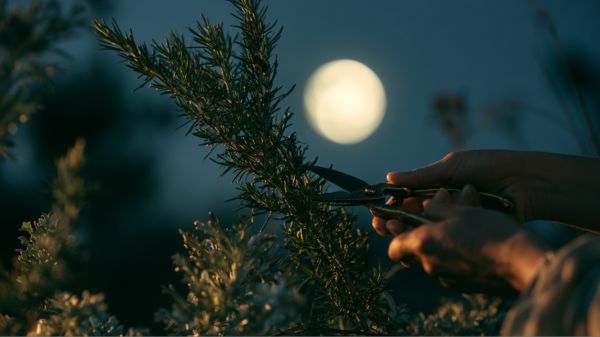
This is the time to bring out the heavy shears. Look at your indoor and outdoor plants. Are there leggy, overgrown vines on your Pothos? Crispy, brown tips on your Spider Plant? Or the flowers on your Peace Lily beginning to turn green and wilt?
Cut them off. Deadheading (removing dying flowers) stops the plant from wasting energy on seed production. Pruning back overgrown branches forces the plant to conserve its energy in its roots, preparing it for a massive, bushy explosion of new growth as soon as the moon begins to wax again.
2. Weeding and Soil Clearing
Because the sap and moisture are being drawn down into the earth, weeds are structurally weaker at the stem but deeply anchored in their roots. Wait until the middle of the waning phase (the Third Quarter moon), grab your trowel, and dig deep. You want to extract the entire root system of the weed so it cannot return.
Simultaneously, clear away any fallen, rotting leaves from the surface of your soil. Decaying plant matter on top of indoor houseplant soil is a breeding ground for fungus gnats and mold. Sweep it clean.
3. Pest Control and Disease Management
Pests like spider mites, aphids, and mealybugs thrive on new, succulent growth. Because your plants are no longer pushing out vulnerable new leaves during the Waning Moon, this is the perfect time to attack infestations. Apply your neem oil, insecticidal soaps, or natural pest deterrents now. The plant is tough, resting, and less likely to be chemically burned by treatments, while the pests are exposed and easier to eradicate.
4. Harvesting Root Vegetables (Late Waning Phase)
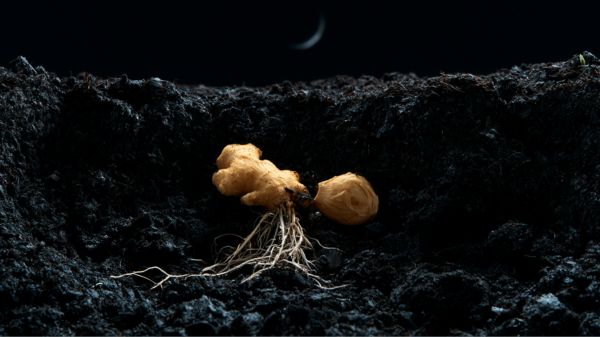
As we approach the very end of the Waning Moon (just before it goes completely dark into the New Moon), the energy and sap are heavily concentrated in the root system. If you are growing medicinal roots like Valerian, Angelica, or Ginger, or everyday root vegetables like potatoes and carrots, this late-waning window is a fantastic time to harvest them for maximum flavor and potency.
5. Energy Grounding and Tool Maintenance
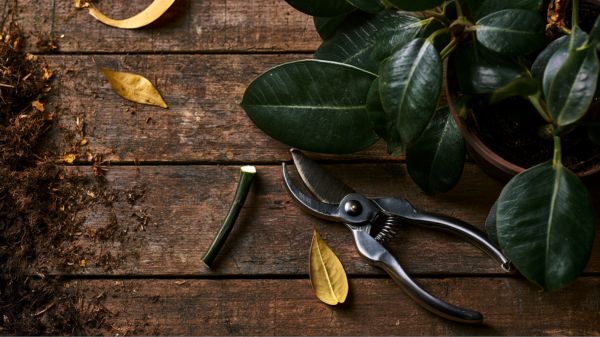
Your tools absorb the energy of your work. The Waning Moon is the traditional time to clean, sharpen, and oil your pruning shears, trowels, and watering cans. Wash your empty terracotta pots in hot, soapy water to remove salt buildups and old, stagnant soil. By cleaning your tools, you are grounding your own energy and showing respect for the instruments that help you cultivate your sacred space.
What NOT to Do During a Waning Moon
Just as important as knowing what to do is knowing what to avoid. Fighting the gravitational pull of the Waning Moon will only lead to frustration, stunted plants, and wasted seeds.
- Do Not Plant Leafy Greens or Flowers: If you plant a seed for a leafy above-ground plant (like Basil, Mint, or Spinach) during a Waning Moon, the downward pull of gravity will confuse the seed. It will struggle to push its shoot upward against the energetic tide, resulting in slow germination, weak stems, and a sickly plant.
- Do Not Repot Delicate Houseplants (Wait for the New Moon): While the sap is moving downward, it has not yet fully consolidated in the roots. If you repot now, you still risk transplant shock. Wait for the absolute darkness of the New Moon to disturb the root ball.
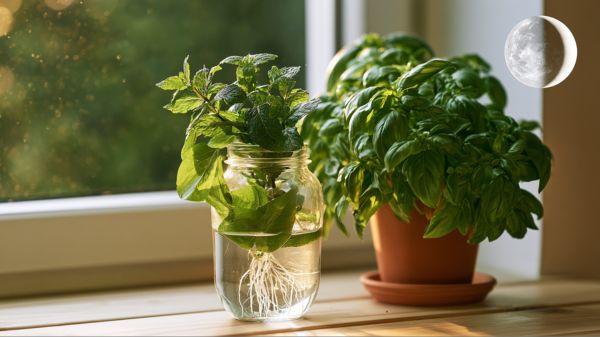
- Do Not Propagate Stem Cuttings: If you take a cutting from a Pothos or Philodendron to root in water during a Waning Moon, it will struggle to survive. The stems are depleted of the active, surging sap and rooting hormones required to push out new water roots. Save your propagation for the Waxing Moon!
A Waning Moon Garden Clearing Ritual
To truly integrate the physical and the spiritual, try performing this simple energetic clearing ritual during the Third Quarter moon phase.
Step 1: The Assessment
Walk through your home or garden with a notebook. Do not touch any plants yet. Simply observe. Notice which plants are struggling, which are overgrown, and which pots have accumulated debris. Write down exactly what needs to be released.
Step 2: The Physical Release
Take your clean, sharpened shears and begin pruning. As you make each cut, consciously attach a negative thought, a fear, or a bad habit to the dead leaf. As the leaf falls away, visualize that negativity being severed from your life. Say out loud: “I release that which no longer serves my highest good.”
Step 3: The Soil Sweep
Use your hands or a small brush to sweep away dead debris from the topsoil of your potted plants. As you expose the fresh, dark earth beneath, focus on the feeling of being grounded. Visualize the downward pull of the moon drawing any residual anxiety out of your body and into the earth, where it can be composted and neutralized.
Step 4: The Cleansing Water
Finish by giving the leaves of your plants a gentle wipe-down with a damp cloth (for broad-leaf plants like Monsteras or Rubber Trees). Removing the dust allows them to photosynthesize more efficiently, but it also physically washes away the stagnant energy of the previous month.
Frequently Asked Questions (FAQ)
Is the Waning Moon the same thing as the Dark Moon?
Not exactly. The Waning Moon is the roughly two-week period between the Full Moon and the New Moon, where the illuminated portion of the moon is shrinking. The “Dark Moon” refers to the final 2-3 days of the waning cycle, right before the New Moon, when the sky is completely devoid of moonlight. The entire waning phase is for clearing, but the Dark Moon is specifically for deep rest.
Can I water my plants during the Waning Moon?
Absolutely! Plants still need water to survive. However, because they are not actively pushing out rapid new growth, their water uptake will be slightly slower. Always check the soil with your finger before watering to ensure you aren’t accidentally drowning a resting plant.
What if a branch breaks during a Waxing Moon? Do I have to wait to prune it?
No. If a plant suffers severe physical damage, is attacked by pests, or develops a rapid fungal infection, address it immediately regardless of the moon phase. Lunar gardening is about optimization, but emergency triage always takes precedence over the lunar calendar!
Is it okay to harvest herbs during a Waning Moon?
If you need them, yes, but they won’t be at their peak. Because the sap (and essential oils) are retreating from the leaves, herbs harvested during a Waning Moon will be less aromatic and less energetically potent than those harvested under a Full Moon. If you must harvest now, try to do it as early in the waning phase as possible.
Final Thoughts on the Waning Phase
A beautiful, high-vibe garden is not created solely through planting and feeding. It is sculpted through the careful, intentional removal of the dead, the dying, and the overgrown. By aligning your maintenance tasks with the Waning Moon, you work in harmony with the earth’s natural gravitational rhythms, drastically reducing stress on your plants while simultaneously performing a deep energetic cleanse of your living space.
Learn to love the exhale. The space you create now will be the exact place where new abundance blooms tomorrow.
Are you ready to intentionally design the energy of your home? Now that you know how to maintain a high-vibe space, you need the right botanicals to fill it. Download my free eBook, The Sacred Garden: 25 Spiritual Plants for Healing, Protection, & Abundance, and start cultivating your sanctuary today!