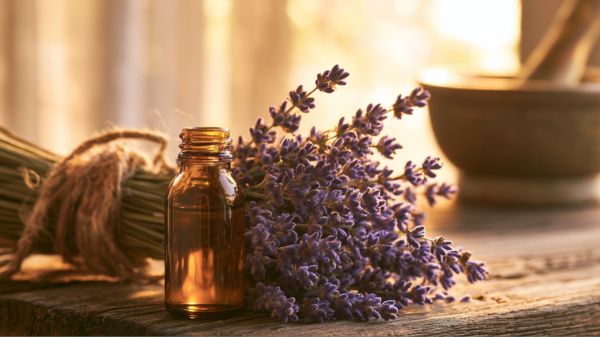

Lavender benefits for anxiety relief has attracted significant attention from both clinical researchers and practitioners of traditional medicine, each approaching its anxiolytic properties through distinct yet occasionally overlapping frameworks. Its active compounds, linalool and linalyl acetate, demonstrate measurable interactions with the central nervous system, while its historical role in ceremonial and spiritual practices suggests a broader significance that biochemical analysis alone does not fully capture. What follows examines both dimensions systematically.
Key Takeaways
- Lavender’s active compounds linalool and linalyl acetate modulate GABA receptors, reducing neuronal excitability and producing clinically measurable anxiolytic effects.
- Silexan, an oral lavender supplement, demonstrated efficacy comparable to lorazepam in treating generalized anxiety disorder in randomized controlled trials.
- Aromatherapy provides rapid anxiety relief through olfactory pathways, while oral supplements offer sustained systemic effects for chronic anxiety management.
- Historically used in ancient Egyptian, Greek, and Roman spiritual practices, lavender remains integrated into modern meditation, mindfulness, and emotional wellness ceremonies.
- Lavender is best used as an adjunct to evidence-based treatments; consultation with a healthcare provider is essential before incorporating it into existing regimens.
What Makes Lavender Effective for Anxiety?
Lavender’s efficacy in mitigating anxiety symptoms is attributed primarily to its active chemical compounds, linalool and linalyl acetate, which interact with the central nervous system to produce anxiolytic effects.
These compounds modulate gamma-aminobutyric acid (GABA) receptors, inhibiting excessive neuronal excitability, which is a primary driver of anxiety disorders.
Research indicates that inhalation or topical application of lavender essential oil facilitates stress reduction by lowering cortisol levels, a measurable physiological marker of stress response.
As one of the most thoroughly studied natural remedies for anxiety, lavender has demonstrated efficacy comparable to certain pharmaceutical interventions in clinical trials, without the dependency risks associated with benzodiazepines. Its mechanisms operate through both olfactory pathways and transdermal absorption, producing systemic calming effects.
The Compounds in Lavender That Calm Your Nervous System
Lavender’s calming properties are largely attributable to linalool, a naturally occurring terpene alcohol that modulates gamma-aminobutyric acid (GABA) receptors in the central nervous system, thereby reducing neuronal excitability and producing anxiolytic effects.
Research has demonstrated that terpenes present in lavender essential oil, including linalyl acetate and camphor, interact with the hypothalamic-pituitary-adrenal (HPA) axis to suppress cortisol secretion, a primary hormonal marker of physiological stress.
These biochemical interactions, studied extensively in both animal models and human clinical trials, suggest that lavender’s efficacy in anxiety reduction is a measurable, mechanistic phenomenon rather than a placebo-driven response.
Linalool’s Calming Neurological Effects
Among the primary bioactive constituents of lavender essential oil, linalool, a naturally occurring terpene alcohol, has been identified as a principal mediator of the plant’s anxiolytic properties, functioning through direct modulation of the central nervous system.
The linalool mechanism operates primarily by enhancing GABAergic transmission, binding to GABA-A receptors and potentiating inhibitory neurotransmitter activity, thereby reducing neuronal excitability across multiple neurological pathways.
Research has demonstrated that linalool additionally inhibits glutamate receptor binding, suppressing excitatory neurotransmission and producing measurable sedative and anxiolytic effects.
Studies conducted on rodent models confirmed significant reductions in stress-induced behaviors following linalool exposure, with findings subsequently corroborated through human clinical trials.
These neurological pathways collectively establish linalool as a pharmacologically significant compound warranting continued scientific investigation within anxiety management research.
Terpenes Reducing Cortisol Levels
Beyond linalool’s direct neurological effects, three additional terpenic compounds present in lavender essential oil—linalyl acetate, ocimene, and camphor—have demonstrated measurable capacity to reduce circulating cortisol levels, thereby attenuating physiological stress responses mediated by the hypothalamic-pituitary-adrenal axis.
Clinical investigations examining terpenes benefits have consistently documented that inhalation exposure to these compounds suppresses adrenocortical activity, producing quantifiable cortisol reduction within salivary and urinary biomarker analyses.
Linalyl acetate, specifically, modulates glucocorticoid receptor sensitivity, reducing hypothalamic corticotropin-releasing hormone secretion, while ocimene demonstrates peripheral anti-inflammatory properties that further diminish stress-induced cortisol elevation.
Camphor, operating through transient receptor potential channels, interrupts sympathetic nervous system signaling cascades that would otherwise amplify cortisol synthesis. Collectively, these mechanisms substantiate lavender’s pharmacologically relevant capacity to normalize dysregulated stress hormone profiles in anxiety-affected individuals.
What the Science Actually Proves About Lavender for Anxiety
Research into lavender’s anxiolytic properties has yielded a substantial body of clinical evidence, with several randomized controlled trials demonstrating statistically significant reductions in anxiety measures among subjects exposed to lavender-based interventions, including oral supplementation with silexan, a proprietary lavender oil preparation, and aromatherapy administration.
Current lavender research and clinical trials have documented the following verified outcomes:
- Silexan demonstrated efficacy comparable to lorazepam in treating generalized anxiety disorder
- Aromatherapy reduced preoperative anxiety in surgical patients across multiple independent studies
- HAM-A scale scores showed measurable improvement in lavender supplementation groups
- Lavender inhalation produced quantifiable reductions in salivary cortisol markers
These findings collectively establish lavender as a scientifically supported anxiolytic agent, though researchers emphasize that standardized dosing protocols and longer-duration studies remain necessary for definitive therapeutic recommendations.
Lavender Essential Oil vs. Supplements: Which Form Works Best?
When comparing lavender essential oil to oral supplements, the primary distinction lies in the mechanism and speed of absorption, as inhaled aromatic compounds interact with the olfactory system and limbic structures almost immediately, whereas encapsulated preparations such as Silexan must traverse the gastrointestinal tract before achieving systemic bioavailability.
This pharmacokinetic difference directly informs targeted use case applications, as aromatherapy is generally considered more suitable for acute, situational anxiety episodes requiring rapid onset, while oral supplementation is better aligned with the management of chronic generalized anxiety over sustained treatment periods.
Clinicians and researchers consequently evaluate these two delivery modalities not as interchangeable options, but as distinct therapeutic tools whose efficacy is contingent upon the specific anxiety profile, onset requirements, and patient compliance factors under consideration.
Absorption and Bioavailability Differences
The bioavailability of lavender’s active compounds, particularly linalool and linalyl acetate, differs substantially depending on whether the preparation is administered as an essential oil through inhalation, as a topical application, or as an oral supplement such as the clinically studied Silexan formulation.
- Inhalation delivers compounds rapidly to the bloodstream via pulmonary absorption rates
- Topical application demonstrates slower transdermal penetration with variable bioavailability factors
- Oral Silexan capsules achieve consistent systemic concentrations through gastrointestinal processing
- Sublingual pathways bypass hepatic first-pass metabolism, potentially enhancing compound availability
Each administration route produces distinct pharmacokinetic profiles, influencing onset time, peak plasma concentration, and therapeutic duration. Researchers have determined that Silexan’s standardized oral formulation provides the most reproducible bioavailability factors, making clinical dosing predictable and consistent across diverse patient populations.
Targeted Use Case Applications
Selecting the appropriate lavender formulation depends substantially on the clinical objective, the severity of the condition being addressed, and the desired onset of therapeutic effect. For individuals experiencing acute situational anxiety, aromatherapy administered through inhalation delivers rapid neurological response, making it well-suited for immediate lavender rituals preceding high-stress events.
Silexan-based oral supplements, conversely, demonstrate superior efficacy for generalized anxiety disorder, requiring consistent daily administration over several weeks to achieve measurable GABAergic modulation. Practitioners integrating lavender into structured therapeutic practices should consider that topical application addresses localized physiological tension, whereas ingested formulations produce systemic anxiolytic effects.
Combining modalities strategically, such as pairing aromatherapy with supplementation, may optimize outcomes, though clinical supervision remains advisable when addressing moderate-to-severe anxiety presentations requiring coordinated intervention.
🌿 Want to bring more high-vibe energy into your home?
If you loved learning about the hidden powers of this plant, you’ll love my free guide. Discover the exact plants you need for love, wealth, and spiritual shielding in The Sacred Garden: 25 Spiritual Plants for Healing, Protection & Abundance.
👉 Click here to download your free copy now.
How to Use Lavender for Anxiety Relief at Home
Incorporating lavender into a home-based anxiety management routine can be achieved through several practical methods, each varying in preparation complexity and duration of effect. Individuals may select approaches aligned with their specific needs and available resources.
- Aromatherapy diffusion: Adding 5–10 drops of essential oil to a diffuser disperses calming compounds throughout a room.
- Lavender baths: Dissolving dried lavender or essential oil in warm bathwater promotes muscular relaxation alongside anxiolytic effects.
- Lavender tea: Steeping dried flowers in hot water for 10 minutes produces an orally consumed preparation with mild sedative properties.
- Topical application: Diluting essential oil in a carrier oil enables direct skin absorption.
Each method delivers linalool and linalyl acetate through distinct physiological pathways, influencing anxiety symptom intensity differently.
How Lavender Compares to Conventional Anxiety Treatments
While home-based lavender preparations offer accessible, low-cost methods for managing mild anxiety symptoms, they occupy a fundamentally different therapeutic category than pharmacological and psychotherapeutic interventions that constitute conventional anxiety treatment.
Lavender efficacy comparison studies indicate that silexan, a standardized lavender oil preparation, demonstrates measurable anxiolytic effects, yet these effects remain quantifiably modest when assessed against selective serotonin reuptake inhibitors or cognitive behavioral therapy outcomes.
Anxiety treatment alternatives incorporating lavender function most effectively as adjunctive components within broader, clinician-supervised treatment frameworks, rather than standalone replacements for established protocols.
Researchers emphasize that individuals experiencing moderate-to-severe anxiety disorders require evidence-based pharmaceutical or psychological interventions, as lavender preparations lack sufficient clinical evidence to address neurochemical dysregulation associated with diagnosable anxiety conditions meeting DSM-5 diagnostic criteria.
Can Lavender Work Alongside Therapy and Medication?
Lavender, when used as a complementary approach rather than a standalone treatment, may offer adjunctive benefits for individuals already engaged in cognitive behavioral therapy or other structured psychological interventions, as its anxiolytic properties can potentially reinforce relaxation responses cultivated during therapeutic sessions.
Clinicians and researchers have noted that the integration of lavender-based preparations, particularly oral silexan formulations, alongside prescribed anxiolytic medications such as benzodiazepines or selective serotonin reuptake inhibitors, warrants careful consideration due to potential pharmacological interactions and the need for dosage monitoring.
Patients incorporating lavender into an existing pharmacological regimen are advised to consult their prescribing physicians, as the combined sedative effects of lavender and central nervous system depressants may necessitate adjustments to prescribed dosages or administration schedules.
Complementing Professional Mental Health Treatment
For individuals managing anxiety disorders, lavender-based interventions, particularly oral supplementation with preparations such as Silexan, have demonstrated sufficient clinical evidence to warrant consideration as adjunctive tools alongside conventional psychiatric treatment modalities, including cognitive-behavioral therapy (CBT) and pharmacological regimens.
Practitioners incorporating holistic healing frameworks recognize lavender’s potential to support emotional balance without contraindicated interactions with standard anxiolytics or antidepressants. Key integration considerations include:
- Silexan demonstrates no known interactions with SSRIs or benzodiazepines
- Aromatherapy may reduce anticipatory anxiety preceding therapeutic sessions
- Lavender supplementation can reinforce CBT-derived relaxation techniques
- Clinical monitoring guarantees complementary protocols remain medically supervised
Such complementary applications require physician oversight, assuring lavender interventions augment, rather than substitute, evidence-based psychiatric treatment protocols currently prescribed.
Integrating Lavender With Prescribed Medications
Many patients and clinicians exploring adjunctive anxiety management strategies raise the practical question of whether lavender-based interventions can be safely integrated alongside prescribed pharmacological treatments.
Current research suggests that lavender dosage must be carefully monitored, particularly when patients are concurrently administered benzodiazepines, selective serotonin reuptake inhibitors, or sedative compounds, as potential medication interactions remain a clinically relevant concern.
Silexan, a standardized oral lavender preparation, has demonstrated measurable anxiolytic properties in controlled trials, yet its combinatory effects with existing pharmaceutical regimens require individualized assessment by qualified healthcare professionals.
Clinicians are advised to conduct thorough pharmacological reviews before recommending lavender-based supplements, ensuring that therapeutic benefits are appropriately balanced against contraindication risks, and that patient safety remains the foundational priority throughout any integrative treatment protocol.
What Aromatherapists Say About Lavender That Science Doesn’t Cover
Beyond what controlled trials and peer-reviewed studies are designed to measure, aromatherapists have long maintained a body of observational knowledge regarding lavender’s effects on anxiety that exists outside the boundaries of formal scientific inquiry. Rooted in aromatherapy traditions passed through generations of practitioners, this knowledge emphasizes nuanced sensory experiences that standardized methodologies cannot easily quantify.
Aromatherapists frequently report the following client observations:
- Emotional release occurring during lavender inhalation sessions
- Heightened states of self-awareness following prolonged exposure
- Reported shifts in perception of time and mental burden
- Improved capacity for emotional processing after repeated sessions
These practitioner-documented phenomena, while anecdotal, represent a significant dimension of lavender’s therapeutic application that formal research frameworks, constrained by measurable variables and reproducibility requirements, remain structurally unable to fully address.
Lavender’s Spiritual History and Why It Still Matters Today
Lavender’s ceremonial and spiritual applications extend across millennia, documented in the religious practices of ancient Egypt, where the plant was incorporated into mummification rituals, as well as in Greek and Roman traditions, where it was burned as an offering to deities and used to purify sacred spaces.
This historical significance persists in contemporary wellness practices, where cultural rituals incorporating lavender continue to serve psychological functions, providing structured frameworks through which individuals process stress and anxiety.
Modern practitioners, drawing from these documented historical applications, integrate lavender into mindfulness ceremonies, meditation protocols, and spiritual cleansing practices.
Researchers observing these traditions note that the ritualistic context in which lavender is used may amplify its anxiolytic effects, suggesting that historical and cultural dimensions contribute meaningfully to the plant’s overall therapeutic value.
How to Know If Lavender Is Safe for You
While lavender is broadly regarded as a low-risk botanical intervention, individuals considering its use for anxiety relief must evaluate several personal health variables before proceeding, including existing allergies, hormonal sensitivities, and concurrent pharmaceutical regimens.
Key safety considerations include:
- Lavender allergies: Dermal or respiratory reactions may occur in sensitized individuals, particularly with topical or diffused applications.
- Personal sensitivity: Hormonal disruption has been documented in prepubescent males exposed to lavender-containing products.
- Drug interactions: Lavender may potentiate sedative medications, including benzodiazepines and anticonvulsants.
- Pregnancy and lactation: Insufficient clinical data exists to confirm safety during these physiological states.
Consulting a licensed healthcare provider before initiating lavender-based interventions remains essential, particularly for individuals managing diagnosed anxiety disorders alongside prescribed pharmacological treatments.
Ready to build your own spiritual indoor jungle? Grab my free eBook, The Sacred Garden, and discover 24 more powerful plants to transform your space. Download it for free here.
Frequently Asked Questions
Does the Color of Lavender Affect Its Anxiety-Relieving Properties?
Research suggests that lavender color psychology plays a notable role in anxiety relief, as the soft purple hue carries a specific color frequency impact that influences the autonomic nervous system. Studies indicate that visual exposure to lavender’s characteristic violet spectrum reduces cortisol levels, complementing its aromatherapeutic properties. Deeper or lighter variations of lavender’s hue may produce differing neurological responses, though olfactory compounds remain the primary driver of its anxiolytic effects.
Can Children Safely Use Lavender Products for Anxiety Relief?
Children can use lavender products for anxiety relief, though lavender dosage must be carefully modulated, as pediatric sensitivity differs greatly from adult tolerance levels. Child safety necessitates diluted essential oil concentrations, typically 0.5–1%, when applied topically, while ingestion remains contraindicated in minors. Consulting a licensed pediatrician before administering lavender-based interventions guarantees appropriate protocol adherence, mitigating adverse dermatological or systemic reactions that concentrated formulations may otherwise precipitate in younger, more physiologically vulnerable populations.
Does Lavender Lose Effectiveness With Prolonged or Repeated Use Over Time?
Research indicates that lavender does not typically prompt significant tolerance development in users, though individual responses may vary across extended use periods. Some practitioners recommend periodic dosage adjustments, cycling lavender protocols to maintain therapeutic efficacy. Clinical studies, particularly those examining oral lavender preparations such as Silexan, demonstrate sustained anxiolytic effects without substantial diminishment, suggesting lavender maintains consistent neurological interaction without the receptor desensitization commonly observed with pharmaceutical anxiolytics.
Are There Specific Times of Day Lavender Works Best for Anxiety?
Research indicates that lavender demonstrates ideal efficacy during morning routines, where its anxiolytic compounds, primarily linalool and linalyl acetate, interact with neurotransmitter systems to modulate cortisol levels, establishing a biochemical baseline for reduced anxiety throughout the day. Conversely, bedtime relaxation protocols benefit greatly from lavender’s sedative properties, which facilitate GABAergic activity, lowering neural excitability, thereby promoting sleep onset, reducing nocturnal anxiety markers, and consolidating parasympathetic nervous system dominance during critical restorative sleep cycles.
Can Growing Lavender at Home Provide the Same Therapeutic Benefits?
Like a firewall that filters harmful traffic while permitting beneficial data packets, home-grown lavender, when cultivated through proper growing techniques, acts as a consistent source of linalool compounds. Indoor gardening studies indicate that homegrown plants produce comparable volatile organic compounds to commercially sourced lavender. One researcher documented that containerized specimens, maintained under controlled lighting conditions, yielded sufficient aromatic output to measurably reduce cortisol levels in adjacent occupants.
Conclusion
Lavender, that humble purple plant humanity has relied upon for millennia, continues its quiet reign over anxiety management, seemingly unbothered by the collective stress it perpetually remedies. Its dual validation — through rigorous neurochemical research and centuries of spiritual tradition — positions it as a remarkably uncomplicated solution to a remarkably complicated problem. Individuals seeking evidence-based, complementary anxiety relief would do well to consult qualified healthcare professionals before entrusting their nervous systems entirely to a flowering herb.