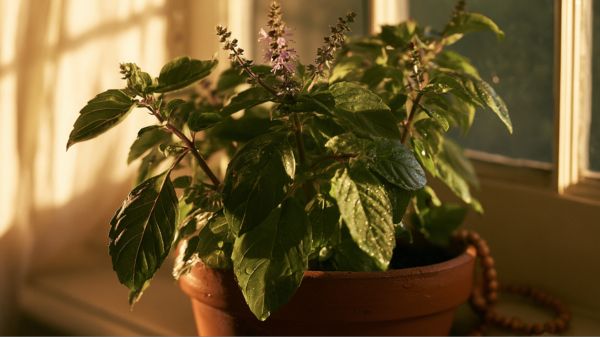


Rosemary, a perennial herb with deep cultural roots in memory and protection symbolism, presents measurable cognitive benefits supported by emerging scientific research. Its cultivation indoors requires precise environmental conditions, including controlled drainage, adequate light exposure, and disciplined watering protocols. Selecting appropriate compact varieties, applying correct harvesting techniques, and understanding ideal placement within domestic spaces are critical factors that determine success. What follows addresses each variable systematically.
Key Takeaways
- Rosemary has symbolized memory and protection across ancient Greek, Roman, Egyptian, and medieval European cultures, used in ceremonies and doorways.
- Compounds like 1,8-cineole inhibit acetylcholinesterase, boosting acetylcholine levels and improving prospective memory through aromatherapy inhalation.
- Compact indoor varieties like ‘Arp’, ‘Blue Boy’, and ‘Spice Islands’ thrive in limited spaces with Mediterranean-like conditions.
- Rosemary requires six daily sunlight hours, well-draining sandy soil with pH 6.0–7.0, and humidity between 40–60 percent indoors.
- Avoid overwatering, poor drainage, and low light to prevent root rot, weakened stems, and reduced essential oil production.
Why Rosemary Has Symbolized Memory and Protection for Millennia
Rosemary (Salvia rosmarinus), a perennial herb native to the Mediterranean region, has carried deep symbolic associations with memory and protection across numerous cultures and historical periods, a phenomenon attributable to both its distinctive aromatic properties and its prominent role in ancient ritual, funerary, and medicinal practices.
Its historical significance spans ancient Greece, Rome, and Egypt, where practitioners incorporated the herb into ceremonial contexts, including burial rites and religious observances, believing its persistent fragrance connected the living to the deceased.
Cultural rituals across medieval Europe further reinforced rosemary’s protective symbolism, as communities placed sprigs above doorways and wove them into bridal garlands to ward against misfortune.
Contemporary ethnobotanical research supports these associations, identifying rosemary’s volatile compounds, particularly 1,8-cineole, as cognitively stimulating agents, providing a biochemical foundation for its enduring mnemonic reputation.
What Science Actually Says About Rosemary and Cognitive Function
While the herb’s cultural associations with memory stretch back millennia, contemporary neuroscientific and pharmacological research has subjected these claims to empirical scrutiny, yielding findings that are both substantive and, in certain respects, methodologically contested. Scientific investigation into rosemary’s herbal uses has identified several biologically plausible mechanisms underlying reported memory enhancement effects:
- 1,8-cineole, a primary volatile compound in rosemary, inhibits acetylcholinesterase, thereby increasing acetylcholine availability in neural synapses
- Ambient diffusion studies demonstrated statistically significant improvements in prospective memory tasks among participants exposed to rosemary aroma
- Carnosic acid and carnosol exhibit neuroprotective antioxidant properties that may mitigate oxidative neuronal damage
Researchers, however, note that sample sizes in several landmark studies remain limited, necessitating larger, controlled trials before definitive clinical conclusions regarding memory enhancement can be responsibly established.
Which Rosemary Variety Is Best for Growing Indoors?
When selecting rosemary for indoor cultivation, compact varieties such as Rosmarinus officinalis ‘Arp’, ‘Spice Islands’, and ‘Blue Boy’ are consistently identified by horticulturalists as the most suitable, given their restrained growth habits and tolerance for container constraints.
Ideal indoor specimens are characterized by a demonstrated capacity to thrive in well-draining soil, reduced humidity environments, and artificial or limited natural light, while maintaining sufficient essential oil concentration to support both culinary and therapeutic applications.
The variety ‘Blue Boy’, in particular, is noted for its dwarf stature, rarely exceeding twelve inches in height, making it an especially practical selection for growers operating within the spatial limitations common to interior environments.
Top Compact Varieties
Selecting appropriate compact rosemary types directly influences indoor rosemary care outcomes:
- ‘Arp’ tolerates temperature variability effectively
- ‘Huntington Carpet’ thrives within shallow, restricted containers
- ‘Spice Islands’ maintains dense foliage in minimal space
Ideal Indoor Traits
Certain rosemary varieties demonstrate measurable advantages over others when confined to indoor environments, where light availability, container volume, and temperature stability impose strict limitations on plant development.
Varieties exhibiting compact root architecture, reduced stem elongation rates, and tolerance for lower light intensity perform consistently better in indoor settings. Maintaining ideal humidity between 40 and 60 percent prevents foliar desiccation, particularly during winter heating cycles that reduce ambient moisture considerably.
Selecting cultivars with demonstrated resistance to root rot reduces plant loss when drainage remains inconsistent. Indoor fertilizer applications should be administered at half-strength concentrations every four to six weeks during active growth periods, as excessive nitrogen delivery accelerates leggy growth and diminishes aromatic oil concentration within leaf tissue, reducing the plant’s practical and ornamental value significantly.
Light, Soil, and Drainage: What Indoor Rosemary Really Needs
Rosemary thrives indoors only when its three most critical environmental requirements — light intensity, soil composition, and drainage capacity — are met with precision, as deficiencies in any one of these variables will compromise the plant’s health and longevity. Understanding these growing conditions enables cultivators to replicate the plant’s native Mediterranean environment effectively.
- Light requirements: A minimum of six hours of direct sunlight daily, preferably from a south-facing window, sustains vigorous growth.
- Soil composition: A well-aerated, sandy, or loam-based mix with a pH between 6.0 and 7.0 prevents root suffocation.
- Drainage capacity: Containers must include adequate drainage holes, as standing water rapidly induces root rot, rendering the plant irreparably damaged.
How to Plant Rosemary Indoors the Right Way
Selecting an appropriately sized terracotta pot, ideally between six and twelve inches in diameter, guarantees adequate airflow around the root system and reduces the risk of moisture retention that commonly leads to root rot in rosemary cultivated indoors.
A well-draining soil mixture, typically composed of standard potting mix combined with coarse sand or perlite at a ratio of two parts soil to one part amendment, replicates the low-nutrient, arid conditions native to the Mediterranean environment in which rosemary thrives.
Drainage holes at the base of the container are non-negotiable, as standing water accumulation within the pot creates anaerobic soil conditions that compromise root integrity and overall plant viability.
Choosing the Right Pot
The pot selected for indoor rosemary cultivation must meet several critical requirements, as the plant’s root system demands both adequate drainage and sufficient space to develop without becoming root-bound.
Key considerations regarding pot size and pot material include:
- Size: A container measuring 12 inches in diameter provides sufficient root expansion capacity for a mature rosemary specimen.
- Material: Terracotta or unglazed clay remains the preferred pot material, as these porous substances facilitate moisture evaporation and prevent root rot.
- Drainage: A minimum of one drainage hole is non-negotiable, as standing water creates anaerobic conditions detrimental to root health.
Selecting an appropriately sized container constructed from breathable material directly determines whether the plant establishes successfully within an indoor environment.
Soil and Drainage Essentials
Once an appropriate container has been secured, attention must turn to the growing medium and drainage infrastructure that will sustain the plant throughout its indoor life. Rosemary thrives in a well-draining, sandy or loamy soil mix, with a pH balance ranging between 6.0 and 7.0, as overly acidic or alkaline conditions compromise nutrient absorption and root integrity.
Drainage layers, constructed from gravel, perlite, or coarse sand positioned at the container’s base, prevent water accumulation that causes root rot, a condition detrimental to rosemary specimens grown indoors.
A commercially prepared cactus or Mediterranean herb blend frequently satisfies these requirements without amendment. Gardeners should verify that selected soil resists compaction over time, as compacted growing medium restricts oxygen circulation essential to sustained root development and overall plant health.
🌿 Want to bring more high-vibe energy into your home?
If you loved learning about the hidden powers of this plant, you’ll love my free guide. Discover the exact plants you need for love, wealth, and spiritual shielding in The Sacred Garden: 25 Spiritual Plants for Healing, Protection & Abundance.
👉 Click here to download your free copy now.
The Mistakes That Kill Indoor Rosemary (And How to Avoid Them)
Growing rosemary indoors presents a distinct set of challenges that, when mismanaged, result in the rapid decline and death of the plant, with overwatering standing as the most frequently cited cause of failure among indoor cultivators.
Addressing overwatering issues requires strict adherence to a dry-between-watering protocol, ensuring roots receive adequate oxygen. Pest prevention demands regular inspection of foliage for spider mites and aphids, particularly in low-humidity environments.
Common fatal mistakes include:
- Placing rosemary in low-light conditions, which weakens stems and reduces essential oil production
- Allowing water to accumulate in drainage trays, which promotes root rot
- Failing to repot annually, which restricts root expansion and diminishes overall plant health
Each error compounds existing vulnerabilities, accelerating irreversible decline.
How to Harvest Indoor Rosemary Without Damaging the Plant
Harvesting rosemary correctly preserves the plant’s structural integrity and encourages continued lateral growth, provided that cuts are made with precision and restraint. Effective harvesting techniques require sterile, sharp shears, which minimize tissue damage and reduce the risk of pathogen introduction at the cut site.
Growers should remove no more than one-third of any given stem’s length, targeting growth above a leaf node to stimulate branching. Pruning tips consistently advise against harvesting from the woody base, as that region lacks the regenerative capacity found in younger, green growth.
Cuts should be angled slightly, facilitating water runoff and discouraging rot. Harvesting in the morning, after dew has evaporated but before peak heat, guarantees ideal oil concentration within the harvested tissue and minimizes physiological stress on the remaining plant structure.
Propagating Rosemary Indoors So You Never Run Out
Propagating rosemary indoors from stem cuttings offers a reliable method by which a continuous supply of viable plants may be maintained year-round, eliminating dependence on commercial nursery stock. Cutting techniques require selecting non-flowering stems measuring four to six inches, removing lower foliage, and treating cut ends with rooting hormone to accelerate root propagation.
- Place prepared cuttings in moistened perlite or coarse sand, ensuring adequate drainage to prevent fungal rot
- Maintain ambient temperatures between 65–70°F, positioning cuttings in indirect light until root systems establish
- Transfer rooted specimens to well-draining potting medium once roots reach approximately one inch in length
Consistent monitoring of moisture levels throughout the propagation period prevents desiccation, while periodic misting sustains humidity necessary for successful establishment without waterlogging the growing medium.
How to Use Fresh Rosemary to Support Memory and Mental Clarity
Research has demonstrated that the aromatic compounds found in fresh rosemary, particularly 1,8-cineole, exert measurable effects on cognitive performance by penetrating the blood-brain barrier and modulating neurotransmitter activity associated with memory retention.
Aromatherapy applications, such as diffusing freshly crushed rosemary sprigs or inhaling the volatile oils released during preparation, have been studied in clinical settings where participants exhibited statistically significant improvements in speed and accuracy during cognitive tasks.
The direct inhalation of fresh rosemary’s bioactive compounds, as well as their transdermal and dietary absorption, presents a practical, evidence-supported method for individuals seeking to enhance mental clarity and working memory function.
Aromatherapy for Mental Focus
One of the most accessible applications of rosemary involves its use in aromatherapy, where the inhalation of volatile compounds released by fresh sprigs has been associated with measurable improvements in cognitive performance, including memory retention and mental clarity. Research suggests that 1,8-cineole, a primary constituent of rosemary’s aromatic profile, directly influences acetylcholine activity in the brain, supporting mental clarity and sustained focus.
Practitioners commonly employ several aromatherapy methods to maximize aromatic benefits:
- Placing freshly cut sprigs near workspaces to allow passive diffusion of volatile compounds
- Briefly warming fresh sprigs between the palms to accelerate compound release before inhalation
- Positioning potted rosemary plants near ventilation sources to distribute aromatic molecules throughout enclosed environments
Each method delivers measurable concentrations of active compounds when implemented consistently.
Fresh Rosemary Brain Boost
Harnessing the cognitive benefits of fresh rosemary requires deliberate preparation and consistent application, as the concentration of active volatile compounds, particularly 1,8-cineole, varies considerably depending on how the herb is handled, stored, and deployed. Memory enhancement is most effectively achieved through direct inhalation of freshly crushed leaves, while culinary uses provide secondary neurological benefits through ingestion.
| Method | Frequency | Expected Benefit |
| Leaf Inhalation | Daily, 5 minutes | Improved recall |
| Culinary Incorporation | 3–4 times weekly | Sustained clarity |
| Scalp Infusion | Twice weekly | Circulation support |
Practitioners should store harvested stems in cool, humid conditions, ensuring volatile compound preservation, while crushing leaves immediately before deployment maximizes active compound release and cognitive efficacy.
Where to Place Rosemary in Your Home for Protection and Positive Energy
Across many folk traditions and holistic practices, the placement of rosemary within a home is considered a deliberate and intentional act, one that is believed to influence the energetic quality of a given space, with specific locations such as entryways, windowsills, and thresholds regarded as particularly significant.
Identifying ideal locations within a domestic environment allows for optimized energy flow throughout interconnected spaces:
Thoughtful placement of rosemary throughout the home creates intentional pathways for balanced, harmonious energy to circulate freely.
- Entryways and front doors, where rosemary is thought to deflect negative influences before entry
- Windowsills, where sunlight activates the plant’s aromatic compounds while reinforcing protective boundaries
- Bedrooms and study areas, where proximity to rosemary may support cognitive clarity and restful conditions
Each placement decision reflects a broader intentional framework, connecting botanical properties with spatial awareness across culturally diverse protective traditions.
Ready to build your own spiritual indoor jungle? Grab my free eBook, The Sacred Garden, and discover 24 more powerful plants to transform your space. Download it for free here.
Frequently Asked Questions
Can Rosemary Grow Well Alongside Other Herbs Indoors?
Rosemary thrives alongside herbs such as thyme, sage, and oregano, as companion planting these Mediterranean varieties indoors optimizes shared environmental conditions, including soil drainage and humidity levels. Indoor lighting requirements must be carefully managed, ensuring a minimum of six hours of direct or supplemental full-spectrum light daily, as insufficient exposure compromises growth across all companion plants, reducing essential oil production and overall plant vigor.
Is Rosemary Safe for Pets and Children in the Home?
Rosemary is generally considered non-toxic to humans, making child safety a manageable concern, though ingestion of large quantities may cause mild gastrointestinal distress. Regarding pet safety, rosemary poses minimal risk to dogs and cats in small amounts, however, concentrated forms, such as essential oils, may trigger adverse reactions. Households with rabbits, guinea pigs, or birds should exercise greater caution, as sensitivity levels vary greatly across species.
How Long Does a Rosemary Plant Typically Live Indoors?
With proper indoor rosemary care, a rosemary plant typically lives 5–10 years indoors, though some specimens survive longer under ideal conditions. Consistent adherence to rosemary light requirements, specifically 6–8 hours of direct sunlight daily, alongside well-draining soil, moderate watering, and adequate air circulation, greatly extends plant longevity. Insufficient light, overwatering, or poor drainage remain the primary factors contributing to premature decline in indoor rosemary specimens.
Can Dried Rosemary Provide the Same Benefits as Fresh Rosemary?
Like a shadow of its former self, dried rosemary retains notable dried rosemary benefits, though fresh rosemary differences remain significant. Dried rosemary contains concentrated volatile compounds, including rosmarinic acid and carnosic acid, which support memory retention and protective antioxidant activity. However, the drying process diminishes certain aromatic compounds and essential oils, reducing the overall potency of its beneficial properties compared to fresh rosemary, which preserves a fuller, more bioavailable chemical profile.
Does Rosemary Have Any Known Drug Interactions or Medical Contraindications?
Rosemary medication interactions present clinically significant concerns, particularly for individuals taking anticoagulants, diuretics, and ACE inhibitors, as the herb demonstrates blood-thinning and diuretic properties that may potentiate these drug effects. Rosemary toxicity concerns extend to pregnant individuals, given its potential uterotonic properties, and those with epilepsy, as high concentrations may trigger seizures. Individuals managing hypertension or diabetes should consult qualified healthcare providers before therapeutic rosemary use.
Conclusion
Rosemary stands as a bridge between ancient cultural tradition and modern scientific inquiry, offering indoor gardeners both symbolic resonance and measurable cognitive benefit. When cultivated with attention to drainage, light, and harvesting technique, compact varieties such as ‘Arp’ and ‘Blue Boy’ thrive within domestic environments. Its aromatic compounds, documented in peer-reviewed literature, support memory function, while its historical associations with protection remain culturally significant. Rosemary, consequently, represents a convergence of utility and meaning rarely found in a single plant.