
The overharvesting of white sage, a plant sacred to numerous Indigenous communities across North America, has created measurable ecological strain on wild populations, prompting practitioners to seek alternatives to burning sage that maintain energetic integrity without contributing to cultural appropriation or environmental degradation. Several documented methods, drawn from diverse global traditions, demonstrate comparable efficacy, and the distinctions between them warrant careful examination.
Key Takeaways
- Lavender, rosemary, cedar, and mugwort are sustainable alternatives that grow easily at home, reducing pressure on threatened wild white sage populations.
- Sound bowls, including Tibetan and crystal varieties, clear energy vibrationally without requiring any smoke, plant material, or combustion.
- Herbal sprays made from distilled water and essential oils offer a portable, smoke-free method for distributing plant-based clearing properties.
- Resins like frankincense, copal, and myrrh provide ceremonial cleansing alternatives when sourced with verified sustainability certifications.
- Salt can be strategically placed as barriers or grids within spaces to maintain energy integrity without burning anything.
Why White Sage Is in Crisis and Why It Matters
The ecological vulnerability of Salvia apiana, commonly known as white sage, has intensified in recent decades as a consequence of compounding pressures that include overharvesting, habitat loss, and the accelerating commercial demand driven by the mainstream popularization of smudging practices.
White sage overharvesting has critically diminished wild populations across its native range in Southern California and Baja California, where urban expansion simultaneously eliminates established plant communities. Indigenous Chumash, Kumeyaay, and Cahuilla peoples, who have sustainably cultivated ceremonial relationships with this plant for generations, now encounter scarcity directly attributable to commercial exploitation.
Cultural appropriation issues further complicate conservation efforts, as mass-market commodification frequently severs the plant from its ceremonial context, reducing a sacred botanical resource to a consumer product while simultaneously destabilizing the ecosystems upon which Indigenous communities depend.
How Different Cultures Have Always Practiced Energy Clearing
Across human civilization, practices aimed at purifying spaces, dispelling negative energies, and invoking spiritual protection have emerged independently within virtually every cultural tradition, suggesting a near-universal recognition of the relationship between environmental atmosphere and psychological or spiritual well-being. These historical practices reflect deep cultural symbolism embedded within distinct societies.
| Culture | Energy Clearing Method |
| Japanese | Salt purification (Mori-shio) |
| Indigenous African | Smoke from medicinal herbs |
| Hindu | Incense and camphor burning |
Scandinavian traditions employed juniper smoke, while Andean communities utilized Palo Santo resin. Mediterranean cultures historically burned laurel leaves during ceremonial cleansing rituals. Each tradition demonstrates that energy clearing, as both cultural symbolism and practical necessity, existed independently of contemporary New Age appropriations of white sage specifically.
Herbs to Grow at Home as White Sage Alternatives
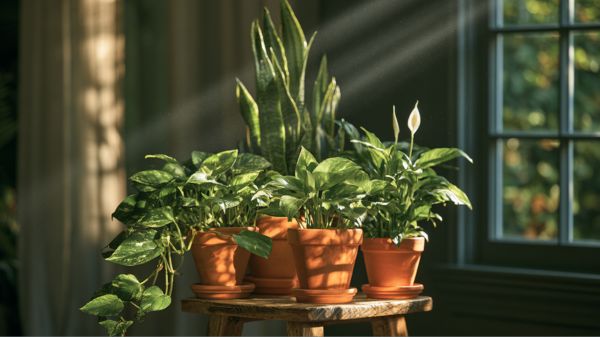
For those seeking sustainable and culturally respectful alternatives to white sage, several herbs commonly cultivated in home gardens offer comparable aromatic and ceremonial properties. Common garden herbs, including lavender, rosemary, cedar, and mugwort, represent viable herb varieties that practitioners frequently employ in energy clearing rituals.
Home cultivation of these plants requires minimal horticultural expertise, as each species adapts readily to container gardening or standard garden beds across diverse climate zones. Lavender and rosemary, in particular, thrive in well-drained, alkaline soil conditions under full sun exposure, while mugwort tolerates partial shade environments.
Practitioners harvesting these herbs should allow plants sufficient recovery time between cuttings, ensuring continued yield. Home cultivation of these alternatives reduces ecological pressure on threatened wild white sage populations, supporting long-term environmental sustainability.
The Best Resins and Incenses for Smoke Cleansing
Resins and incenses derived from tree saps, barks, and compressed botanical materials offer practitioners a culturally diverse and ecologically considered range of smoke cleansing options, each possessing distinct aromatic profiles and historical ceremonial applications.
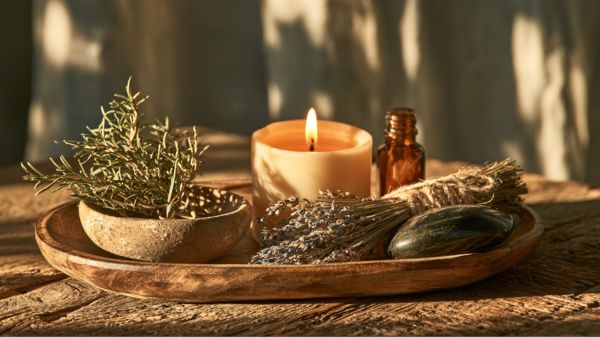
Among documented resin properties, frankincense, harvested from Boswellia trees, demonstrates documented antimicrobial characteristics, while copal, sourced from Central American Bursera species, carries deep Mesoamerican ceremonial significance. Myrrh, benzoin, and dragon’s blood each contribute unique resin properties applicable to various cleansing intentions.
Regarding incense varieties, compressed forms incorporating sandalwood, cedar, or palo santo powder provide accessible alternatives that reduce demand on wild-harvested plant populations. Practitioners sourcing these materials should prioritize suppliers demonstrating verified sustainable harvesting certifications, thereby ensuring ecological responsibility alongside meaningful ceremonial practice.
European and Folk Clearing Traditions Worth Trying
While resins and botanical incenses represent one dimension of global smoke cleansing heritage, European and folk clearing traditions offer practitioners an equally substantive body of practice, drawing upon herbs, rituals, and material culture documented across centuries of agrarian and pre-Christian European societies.
European rituals incorporating traditional herbs such as juniper, mugwort, and yarrow carry deep cultural significance, reflecting historical methods rooted in seasonal agricultural cycles and community traditions surrounding solstices, harvests, and changes. Folk practices involving these sacred plants have undergone modern adaptations, allowing contemporary practitioners to engage authentically without appropriating indigenous cultures.
Documented ethnobotanical records from Germanic, Celtic, and Slavic societies confirm the deliberate, ceremonial burning of locally sourced botanicals, providing ethically sound, geographically appropriate alternatives accessible to practitioners seeking culturally respectful smoke-cleansing methods.
✨ Take the guesswork out of designing your sacred space.
You have the layout down, but which plants actually hold the energy of wealth, peace, or protection? I’ve compiled the ultimate cheat sheet for you. Download my free eBook, The Sacred Garden: 25 Spiritual Plants for Healing, Protection & Abundance. 👉 Click here to grab your copy and finish your altar.
Sound, Salt, and Spray: Non-Burning Alternatives
For practitioners seeking non-combustion methods of energetic clearing, sound bowls—particularly those crafted from crystal or Tibetan metal alloys—produce sustained vibrational frequencies that are believed to disrupt and dispel stagnant energy within a defined space.
Salt, employed as both a barrier along thresholds and doorways and as a grid arrangement at cardinal points within a room, functions as a mineral-based protective agent across numerous folk and ceremonial traditions, requiring no heat or combustion to activate its purported properties.
Herbal spray alternatives, typically formulated from distilled water infused with essential oils such as rosemary, lavender, or frankincense, offer a portable and easily reproducible method of space clearing that eliminates both the environmental burden of harvesting white sage and the air-quality concerns associated with burning plant material.
Sound Bowls for Clearing
Sound bowls, which include both Tibetan singing bowls and crystal bowls, produce sustained vibrational tones that many practitioners use as an energetic clearing tool in place of smoke-based methods. Each bowl operates at a specific tuning frequency, which determines the pitch and character of its sustained resonance when struck or circled with a mallet.
Practitioners select bowls based on their intended application, as different frequencies are associated with distinct energetic properties. The harmonic resonance generated by these instruments is believed to penetrate a given space, disrupting stagnant or discordant energy patterns.
Unlike burning white sage, sound bowls produce no smoke, require no plant material, and carry no environmental impact, making them a sustainable, repeatable option for those seeking consistent energetic maintenance practices.
Salt Barriers and Grids
Moving beyond vibrational methods, salt barriers and grids represent a physical, mineral-based approach to energetic clearing and boundary maintenance, one that many practitioners employ either independently or in conjunction with other non-burning techniques. Salt protection operates through intentional placement, establishing defined perimeters within a space.
- Pour salt lines across doorways and windowsills to establish boundary thresholds.
- Position salt vessels at each room corner to initiate grid formation.
- Select sea salt, Himalayan pink salt, or black salt depending on the intended energetic function.
- Replace salt deposits regularly, as practitioners consider accumulated energy to diminish effectiveness.
Grid formation distributes protective intention systematically throughout a defined area, creating interconnected nodes that collectively maintain spatial energetic integrity without combustion or airborne particulate matter.
Herbal Spray Alternatives
Herbal spray alternatives offer practitioners a liquid-based method for distributing plant constituents throughout a space without requiring combustion, smoke inhalation risks, or the production of airborne particulate matter.
Eco friendly sprays, formulated through herbal infusion rituals, allow individuals to mist rooms with plant-derived solutions, incorporating ingredients such as rosemary, lavender, and cedar hydrosols.
| Herb | Attributed Property |
| Rosemary | Purification |
| Lavender | Calming |
| Cedar | Grounding |
| Palo Santo Hydrosol | Cleansing |
| Frankincense Water | Protection |
These preparations are created by steeping botanicals in distilled water, which preserves volatile compounds while minimizing environmental impact. Practitioners apply sprays directionally, beginning at entry points and progressing inward, ensuring thorough spatial coverage without depleting wild plant populations or contributing to air quality degradation.
How to Match Your Clearing Method to Your Space
Selecting an appropriate space-clearing method requires an assessment of three interdependent variables: the physical dimensions of the space, the nature of the energy present, and the intention of the practitioner.
Larger spaces may benefit from sound-based methods, such as singing bowls or bells, which can propagate vibrational frequencies across greater distances more effectively than localized spray or salt applications.
Once the energy type has been identified as either stagnant, residual, or actively disruptive, and the practitioner’s intention has been clearly articulated, the chosen method can be calibrated to address the specific conditions of the environment with greater precision and efficacy.
Space Size Considerations
The dimensions of a space play a decisive role in determining which smoke-free clearing method will prove most effective, as smaller rooms may require only a brief application of a single technique, while larger, open-plan areas may necessitate a combination of methods applied in a systematic, zone-by-zone approach. Room dimensions and space usage directly inform method selection.
- Small rooms under 150 sq ft: single sound or mist application suffices
- Medium rooms 150–400 sq ft: combine sound and herbal spray methodically
- Large open-plan spaces over 400 sq ft: zone-by-zone multi-method approach
- Shared or high-traffic spaces: prioritize frequency of clearing over intensity
Practitioners should assess both room dimensions and space usage patterns before selecting any clearing protocol.
Energy Type Assessment
While room dimensions and usage patterns establish the foundational parameters for method selection, practitioners must also analyze the qualitative nature of the energetic conditions present within a space, as stagnant, heavy, or agitated energy each responds differently to specific clearing techniques.
Identifying energy sources within a space allows practitioners to select appropriate energy techniques that restore ideal energy flow. Heavy, accumulated conditions respond well to sound-based energy cleansing, while subtle disturbances require gentler energy vibrations through crystal placement or herbal mists.
Practitioners evaluating energy integration across multiple zones must apply layered energy maintenance protocols, addressing each area sequentially. Sustained energy harmony depends upon accurate initial evaluation, ensuring that selected methods align precisely with identified conditions, producing consistent, measurable improvements in the qualitative character of a given environment.
Personal Intention Alignment
Matching a clearing method to a space requires practitioners to examine personal intention as a primary variable, since the specific outcome sought—whether emotional neutralization, energetic renewal, or protective boundary establishment—directly determines which technique will produce the most aligned result. Intention setting functions as the foundational framework through which personal alignment is achieved.
Practitioners should evaluate the following criteria:
- Define the primary energetic objective before selecting any clearing method
- Assess whether the space requires removal, restoration, or reinforcement protocols
- Identify emotional and environmental factors influencing the current spatial energy
- Verify that the chosen method resonates with the practitioner’s established belief system
This structured evaluation verifies that personal alignment remains consistent throughout the clearing process, producing measurable, reproducible outcomes within the designated space.
How to Source White Sage Ethically When Nothing Else Works
For those who have exhausted every alternative and determined that white sage remains irreplaceable for their specific practice, sourcing it responsibly requires adherence to a strict set of ethical procurement criteria, including verification of cultivation origin, confirmation that no wild harvesting occurred on protected or tribal lands, and direct engagement with suppliers who demonstrate transparent, sustainable growing practices.
Ethical sourcing demands that practitioners investigate supplier certifications, request documented proof of farm-raised cultivation, and avoid commercially mass-produced bundles lacking verifiable origins. Cultural respect requires acknowledging Indigenous intellectual and spiritual sovereignty over white sage traditions, which means refraining from purchasing from vendors who appropriate ceremonial contexts without tribal authorization.
Prioritizing suppliers who partner directly with Indigenous-owned farms guarantees both ecological sustainability and appropriate cultural acknowledgment within procurement decisions.
Common Mistakes to Avoid When Switching From White Sage
When practitioners shift away from white sage, one of the most prevalent errors observed is the tendency to rush the process, substituting alternatives without adequate research into their properties, origins, or cultural significance, which can result in practices that are neither ecologically sound nor spiritually coherent.
Cultural sensitivity concerns are frequently dismissed during this shift, as individuals may adopt sacred plants or rituals from traditions other than their own without obtaining proper context, consent, or understanding from the communities to which those practices belong.
A measured, methodical approach to substitution, one that prioritizes both ecological sustainability and cultural accountability, remains essential to ensuring that the shift serves its intended purpose without perpetuating the very harms it seeks to address.
Rushing the Transition Process
One of the most prevalent mistakes individuals make during the change away from white sage is attempting to complete the process too quickly, without allowing adequate time to research alternative plants, source them ethically, and develop familiarity with their distinct aromatic and energetic properties. Addressing transitional challenges requires deliberate, mindful practices that honor the complexity of this change.
Consider these sequential steps:
- Research regional, sustainably harvested alternatives thoroughly
- Acquire small quantities before committing to regular use
- Document personal responses to each alternative’s energetic properties
- Gradually integrate new plants alongside existing clearing rituals
Practitioners who bypass these foundational steps frequently report dissatisfaction with results, ultimately reverting to white sage, thereby undermining the conservation-oriented objectives that originally motivated their change.
Ignoring Cultural Sensitivity Concerns
Beyond the procedural considerations of sourcing and integrating alternative plants, practitioners frequently overlook the cultural sensitivity dimensions inherent in this change, a failure that carries consequences extending well beyond personal practice. White sage holds sacred significance within specific Indigenous traditions, and recklessly shifting to other culturally significant botanicals risks perpetuating cultural appropriation rather than resolving it.
Practitioners must research the origins of each alternative plant, consulting Indigenous scholars, community representatives, and documented ethnobotanical sources before adoption. Respectful practices require acknowledging the distinction between ceremonial use and secular application, ensuring that substitutions do not replicate the same extractive patterns that initially problematized white sage consumption.
Establishing transparent sourcing relationships with Indigenous-led organizations, while supporting their educational initiatives, represents a foundational step toward culturally responsible energy-clearing practice.
Where to Find Sustainable White Sage Alternatives
Finding sustainable white sage alternatives is a matter of sourcing from reputable suppliers, local ecosystems, and community networks that prioritize ethical harvesting and cultivation practices. Those seeking eco-friendly alternatives and sustainable herbs may consult the following resources:
- Local herbalists and apothecaries that cultivate native plants using ethical, low-impact methods.
- Farmers markets and cooperative gardens where vendors transparently disclose harvesting origins and practices.
- Certified online retailers specializing in sustainably sourced botanical products, verified through third-party ethical certifications.
- Community seed exchanges and herbalism networks that distribute homegrown, regionally appropriate plant alternatives.
Researching supplier credentials, reviewing cultivation transparency, and prioritizing plants indigenous to one’s own geographic region guarantees that procurement decisions actively support ecological preservation and minimize environmental harm.
Need the perfect plants for your new altar? Don’t buy anything until you read The Sacred Garden. Discover the top 25 plants for high-vibe living. Get the free book here.
Frequently Asked Questions
Can Energy Clearing Methods Work Effectively on Pets or Animals?
Energy clearing methods can work effectively on animals, as practitioners observe that animal intuition makes them highly receptive to vibrational healing modalities. Animals, lacking cognitive resistance to subtle energetic interventions, often respond demonstrably to sound therapy, Reiki, and crystal placement. Practitioners report observable behavioral shifts, including reduced anxiety and improved temperament, suggesting that non-human subjects process energetic adjustments through instinctual, physiological channels rather than psychological frameworks.
How Long Does a Single Clearing Session Typically Need to Last?
Like a compass finding true north, session duration varies by space and intent. A single energy clearing session typically lasts between 15 and 45 minutes, depending on the size of the area and the method employed. Practitioners generally recommend that clearing frequency align with environmental changes or emotional shifts, suggesting monthly sessions for maintenance, while spaces experiencing significant disruption may require more immediate, targeted intervention.
Are There Clearing Alternatives Safe for People With Respiratory Conditions?
Individuals with respiratory conditions can safely utilize herbal infusions, which involve steeping botanicals in water to create aromatic mists applied via spray bottle, eliminating airborne particulate matter. Sound healing, employing singing bowls, tuning forks, or bells, presents a entirely smoke-free alternative, using vibrational frequencies to achieve energetic clearing. Both methods circumvent combustion entirely, removing inhalation risks associated with burning practices while maintaining clearing efficacy.
Can Children Safely Participate in Smoke-Free Energy Clearing Rituals?
Children’s involvement in smoke-free techniques is considered generally safe, as these methods eliminate combustion-related respiratory hazards. Practitioners typically incorporate sound-based clearing, utilizing singing bowls or bells, crystal placement, and intentional breathwork, all of which present minimal physical risk to younger participants. Adult supervision remains essential, ensuring children engage appropriately with any tools involved, while age-appropriate explanations of the ritual’s purpose support meaningful, informed participation without exposing them to harmful substances.
Do Sustainable Clearing Methods Work Differently During Specific Moon Phases?
Could lunar energy amplify sustainable clearing methods? Many practitioners observe that moon phase effects influence the perceived efficacy of smoke-free energy clearing rituals, with full moons reportedly enhancing sound-based methods, such as singing bowls, and new moons aligning with crystal cleansing practices. These correlations, while anecdotal, suggest that timing rituals according to lunar cycles may optimize their energetic outcomes, offering structured, intentional frameworks for practitioners seeking environmentally conscious alternatives.
Conclusion
The path toward sustainable energy clearing practices functions as a living ecosystem, where each alternative method supports the importance of the whole. Practitioners who explore sound healing, herbal cultivation, and smoke-free techniques contribute meaningfully to the preservation of white sage populations and Indigenous cultural integrity. The evidence presented throughout this article demonstrates that effective energy clearing neither requires environmental exploitation nor cultural appropriation, as numerous accessible, ethically sound alternatives exist across diverse traditions worldwide.