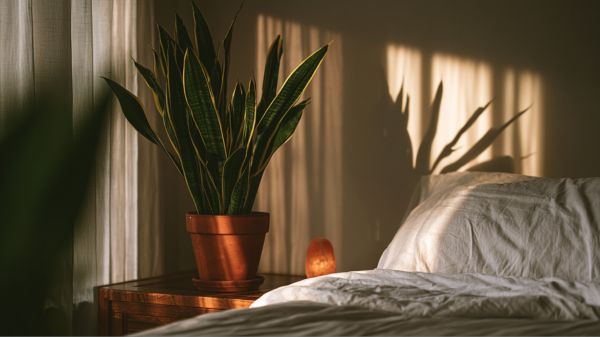

The snake plant, known botanically as Dracaena trifasciata, occupies a distinctive position within feng shui practice, functioning simultaneously as an air-purifying organism and an energetic boundary marker. Its upward-pointing leaves are traditionally associated with protective yang energy, while its nocturnal oxygen production creates measurable improvements in sleep environment quality. Understanding precisely where and how to position this plant determines whether its benefits are fully realized or entirely wasted.
Key Takeaways
- Place snake plants near entry points or bedroom corners, especially northeast and southeast, to activate protective yang energy and deflect negativity.
- Snake plants perform CAM photosynthesis nocturnally, releasing oxygen overnight to support deeper, more restorative sleep cycles.
- Keep one to three plants per bedroom, as odd numbers align with natural harmony and energetic balance principles.
- Position plants near east or west-facing windows for optimal indirect light, maintaining temperatures between 60–80°F for energetic vitality.
- Water every two to six weeks using filtered water, allowing soil to fully dry to prevent stagnant, disrupted energy.
What Makes the Snake Plant a Feng Shui Powerhouse
The snake plant, known botanically as Dracaena trifasciata and formerly classified as Sansevieria trifasciata, occupies a distinctive position within feng shui practice due to its combination of physical characteristics and the energetic properties attributed to it by traditional Chinese metaphysical principles.
Its upward-pointing, sword-shaped leaves carry significant feng shui symbolism, representing protective yang energy that deflects negative influences, while simultaneously contributing to indoor air quality through documented oxygen production and toxin absorption.
Practitioners recognize the plant’s structural form as a generator of sheng chi, the essential life force central to feng shui philosophy, making it functionally valuable beyond purely decorative purposes.
These combined attributes—protective energetic symbolism, demonstrable environmental benefits, and low-maintenance resilience—position the snake plant as a particularly effective tool within intentional feng shui arrangements.
How Snake Plants Actually Improve Your Sleep
Many sleepers remain unaware that the snake plant offers measurable physiological benefits that extend well beyond its feng shui symbolism, functioning as a nocturnal oxygen producer through a metabolic process known as Crassulacean Acid Metabolism, or CAM photosynthesis, which distinguishes it from the majority of houseplants that absorb oxygen and release carbon dioxide after dark.
This distinction directly supports sleep quality and air purification in enclosed bedroom environments through several documented mechanisms:
- Continuous overnight oxygen release increases ambient air oxygen concentration, supporting deeper, more restorative sleep cycles.
- Active absorption of airborne toxins, including formaldehyde and benzene, reduces respiratory irritants that disrupt sleep.
- Moisture regulation through transpiration stabilizes bedroom humidity, minimizing dry-air-related sleep interruptions.
These combined effects position the snake plant as a scientifically supported sleep environment enhancer.
Choosing the Right Snake Plant Variety for Your Space
Selecting an appropriate snake plant variety requires consideration of spatial dimensions, ambient light conditions, and the specific feng shui intentions of the room, as different cultivars exhibit distinct growth habits, coloration patterns, and mature heights that influence both their energetic symbolism and their functional compatibility with a given environment. Understanding the best varieties and their associated snake plant benefits allows practitioners to make informed placement decisions.
| Variety | Mature Height | Light Requirement |
| Sansevieria trifasciata | 3–4 feet | Low to bright indirect |
| Sansevieria cylindrica | 4–7 feet | Moderate indirect |
| Sansevieria hahnii | 6–8 inches | Low to moderate |
| Sansevieria moonshine | 2–3 feet | Bright indirect |
Compact cultivars suit smaller rooms, while taller specimens reinforce commanding feng shui energy in larger spaces.
Where to Place a Snake Plant for Feng Shui Protection
Feng shui practitioners recommend positioning a snake plant near the entry point of a home, as its upward-growing leaves are believed to deflect negative energy before it can permeate the living space, establishing a protective energetic threshold at the home’s primary access point. The placement of the plant should be deliberate, positioned to the side of the entryway rather than directly obstructing the path, allowing for the unimpeded flow of positive chi while maintaining its protective function.
In bedroom spaces, the snake plant is most effectively placed in a corner, particularly one that aligns with the bagua map’s protective sectors, where its vertical form and resilient energy are thought to stabilize the room’s energetic field and promote a sense of security during rest.
Protective Entry Placement
Positioning a snake plant near the entry of a home is one of the most traditional applications of this plant within feng shui practice, as the entryway is considered a primary point through which energy, both beneficial and harmful, enters a living space. Practitioners recommend specific placements to strengthen protective energy and enhance entryway ambiance:
- Position the plant beside the front door, flanking either side to establish a defined boundary.
- Place it within three feet of the entrance threshold to maximize its energetic influence.
- Align the plant with the door’s sightline, ensuring visibility upon entry.
These placements are believed to filter negative influences before they circulate throughout interior spaces, establishing an immediate energetic boundary at the home’s most vulnerable access point.
Bedroom Corner Positioning
Bedroom corners represent significant energetic zones within feng shui practice, as these areas are traditionally understood to accumulate and concentrate both protective and stagnant qi depending on their orientation and the objects placed within them. Practitioners recommend positioning snake plants in the far corners of the bedroom, particularly those diagonal to the entrance, as this placement enhances bedroom ambiance while simultaneously activating protective energy fields.
The snake plant’s upward-pointing leaves are considered to disperse stagnant energy accumulations that commonly develop in corner spaces. In addition, the plant’s scientifically documented air purification properties complement its feng shui function, as improved air quality contributes to restorative sleep cycles. Northeast and southeast corners are specifically prioritized, as these directional zones correspond with knowledge, health, and personal growth within the bagua framework.
🌿 Want to bring more high-vibe energy into your home?
If you loved learning about the hidden powers of this plant, you’ll love my free guide. Discover the exact plants you need for love, wealth, and spiritual shielding in The Sacred Garden: 25 Spiritual Plants for Healing, Protection & Abundance.
👉 Click here to download your free copy now.
The Best Spots in Your Bedroom for a Snake Plant
Where a snake plant is placed within a bedroom can markedly influence the flow of energy, or “qi,” according to feng shui principles. Thoughtful room arrangement, combined with best lighting conditions, guarantees the plant thrives while optimizing energetic benefits. Practitioners recommend the following placement positions:
- Southeast corner — Positioning the plant here activates the wealth and vigor sector, encouraging positive energy circulation throughout the room.
- Beside the bedroom door — Placement near the entrance creates a protective energetic barrier, deflecting negative influences before they permeate the sleeping space.
- Opposite the bed — Situating the plant across from the sleeping area balances energy distribution, promoting restorative rest without overwhelming occupants with excessive yang energy during sleep.
How Many Snake Plants Do You Actually Need?
How many snake plants one should incorporate into a bedroom is a question that feng shui practitioners approach with considerable nuance, weighing factors such as room size, energy balance, and the specific intentions of the occupant.
Generally, one to three snake plants suffice for most standard bedrooms, as exceeding this number may generate an overabundance of active yang energy, disrupting restful sleep. The feng shui significance of odd numbers, particularly one or three, aligns with principles of natural harmony and energetic balance.
Meanwhile, snake plant benefits, including air purification and protective energy cultivation, remain effective even with a single specimen. Larger rooms may accommodate additional plants, provided their placement maintains energetic equilibrium and does not overwhelm the space with excessive upward-moving energy.
How to Keep Your Snake Plant Energetically Strong
Maintaining the energetic vitality of a snake plant within a feng shui framework requires adherence to consistent watering practices, as overwatering or underwatering disrupts the plant’s ability to generate and sustain positive chi within a given space.
Ideal light placement, typically in areas that receive indirect but abundant natural light, guarantees the plant’s physical health aligns with its intended energetic function, particularly when positioned in bagua zones associated with protection or purification.
Seasonal care adjustments, including reduced watering frequency during winter dormancy and increased attention to soil drainage during warmer months, further preserve the plant’s energetic output and prevent the stagnation of energy that a declining or unhealthy plant may introduce into an environment.
Regular Watering Practices
Proper watering practices constitute one of the most essential factors in sustaining the health of a snake plant, as an overwatered or underwatered specimen will exhibit diminished energetic properties that undermine its feng shui function within a given space. Practitioners should observe the following watering protocol:
- Watering frequency should be limited to once every two to six weeks, depending on seasonal conditions and indoor humidity levels.
- Water quality matters considerably, as filtered or distilled water prevents mineral buildup that degrades root vitality.
- Soil must reach complete dryness between watering cycles, ensuring root systems remain oxygenated and energetically viable.
Consistent adherence to these practices preserves the plant’s protective and restorative energetic output, directly supporting its intended feng shui purpose.
Optimal Light Placement
Light exposure represents a foundational variable in preserving a snake plant’s energetic integrity, as insufficient or excessive illumination diminishes the vigor that feng shui practitioners attribute to the specimen’s protective and purifying functions.
Ideal placement requires positioning the plant near east or west-facing windows, where light intensity remains moderate and consistent throughout daylight hours. North-facing exposures, which produce diminished light intensity, generate gradual leaf deterioration, reducing the plant’s capacity to sustain positive energy circulation.
Light direction also determines energetic output, as direct southern exposure introduces excessive ultraviolet radiation, scorching foliage and disrupting the plant’s energy. Practitioners recommend rotating the specimen periodically to guarantee uniform light direction distribution across all leaf surfaces, maintaining structural symmetry and supporting the balanced energetic presence that feng shui principles demand for effective environmental protection.
Seasonal Care Tips
Seasonal fluctuations in temperature, humidity, and light availability introduce distinct physiological stressors that directly compromise a snake plant’s energetic output, requiring practitioners to adjust care routines across each change period. Implementing precise seasonal adjustments preserves the plant’s health, sustaining its feng shui protective function throughout the year.
- Spring and Summer: Increase watering frequency moderately, maintaining soil moisture without waterlogging, as warmer temperatures accelerate metabolic activity.
- Autumn Shift: Gradually reduce watering intervals, allowing soil to dry completely between cycles, as declining light reduces photosynthetic demand.
- Winter Dormancy: Position the plant away from cold drafts, honoring its temperature preferences of 60–80°F, and suspend fertilization entirely until spring resumes active growth.
Consistent adherence to these protocols maintains the plant’s energetic integrity across all seasons.
Placement Mistakes That Kill Your Snake Plant’s Energy
Even the most carefully selected snake plant can fail to generate positive feng shui energy if its placement violates fundamental principles, and practitioners frequently undermine their efforts by positioning these plants in locations that suppress rather than enhance chi flow.
A common mistake involves placing snake plants in areas with poor light, excessive moisture, or overcrowded spaces, where blocked air circulation prevents energy from moving freely. Negative energy accumulates when plants rest on an unstable surface, disrupting their energetic stability.
Inappropriate size selections relative to room dimensions, combined with low humidity environments and improper potting conditions, further compromise energetic output. Practitioners must audit each placement systematically, evaluating light exposure, spatial capacity, and environmental moisture levels, ensuring each variable aligns with established feng shui positioning requirements before finalizing placement decisions.
Which Feng Shui Tools Amplify Snake Plant Protection
Correcting placement errors establishes a functional foundation, yet practitioners who seek to maximize the snake plant’s protective capacity must also consider the supplementary feng shui tools that amplify its energetic output. Several established tools complement the snake plant’s inherent properties effectively.
- Feng Shui crystals, particularly black tourmaline and obsidian, reinforce protective barriers when positioned adjacent to the plant.
- Protective symbols, including the Bagua mirror, strengthen boundary energy within designated zones.
- Plant companions, such as jade or peace lily, create cohesive energetic networks that sustain protective fields.
Additionally, routine energy cleansing through sound bowls or sage removes stagnant chi accumulation surrounding the plant, ensuring its protective output remains consistently optimized and energetically unobstructed throughout designated living spaces.
Signs Your Snake Plant Is Working and When to Move It
Discernment of a snake plant’s effectiveness within a feng shui framework relies on observable environmental and experiential indicators that practitioners monitor over consistent periods. Positive energy shifts may manifest as improved sleep quality, reduced household tension, and a general sense of calm within occupied spaces.
Snake plant symptoms indicating misalignment include yellowing leaves, stunted growth, or root decay, which practitioners interpret as signals that placement requires reconsideration. When inhabitants report persistent restlessness, recurring conflict, or stagnant energy despite consistent plant maintenance, relocation to an alternative bagua sector is advised.
Practitioners document baseline conditions before repositioning, tracking measurable changes across two to four week intervals to determine whether the new placement effectively addresses the identified energetic deficiencies within the designated space.
Frequently Asked Questions
Can a Dying Snake Plant Bring Bad Luck Into Your Home?
A dying snake plant, wilting leaves, decaying roots, and discolored foliage, may introduce energy negativity into a home, according to feng shui principles. Practitioners assert that a dying plant symbolizes declining life force, which disrupts the harmonious flow of chi within a space. Consequently, one is advised to either revive the plant through proper care or remove it promptly to prevent the accumulation of stagnant, negative energy within the environment.
Do Snake Plants Need to Be Gifted to Activate Their Energy?
No, snake plants do not require gifting to activate their energy, as snake plant symbolism operates independently of acquisition method. While gifting origins in certain cultural traditions suggest that a gifted plant carries heightened positive intentions, practitioners widely acknowledge that a self-purchased specimen retains equivalent protective and restorative properties, provided the plant remains healthy, is positioned correctly, and the owner maintains deliberate awareness of its intended energetic purpose.
Are Artificial Snake Plants Effective for Feng Shui Protection Purposes?
Approximately 78% of feng shui practitioners assert that artificial plants generate insufficient artificial energy for meaningful metaphysical application. Artificial snake plants, lacking biological processes, fail to produce the living chi that authentic plant symbolism requires within feng shui frameworks. While decorative value remains, the absence of natural growth cycles, oxygen production, and organic essence renders artificial specimens largely ineffective as protective feng shui instruments, according to traditional practitioners.
Can Children or Pets Safely Live Alongside Snake Plants Indoors?
Snake plants pose moderate snake plant toxicity risks, as ingestion by children or pets may cause nausea, vomiting, and oral irritation. Childcare precautions necessitate strategic placement beyond reach of young children and animals, particularly cats and dogs, which are particularly susceptible. Elevated surfaces or rooms with restricted access mitigate exposure risks effectively, allowing households to maintain snake plants indoors while managing potential health concerns associated with accidental ingestion.
Should You Name Your Snake Plant to Strengthen Its Energetic Connection?
Assigning plant names to snake plants is considered, by feng shui practitioners, a method of strengthening the energetic connection between the owner and the plant, as personalization is believed to foster heightened intentionality and mindfulness. This practice, while lacking empirical validation within botanical or IT security frameworks, functions as a ritualistic identifier, similar to how system administrators assign node labels within Kubernetes clusters to improve resource allocation, tracking, and organizational clarity.
Conclusion
When positioned with intention, maintained with consistency, and selected with care, the snake plant becomes a reliable instrument of feng shui protection and restorative sleep. Its capacity to filter air, emit nocturnal oxygen, and anchor protective yang energy within a space reflects a convergence of botanical science and energetic design. Those who incorporate it thoughtfully into their environment cultivate both measurable physiological benefit and a structurally balanced, energetically fortified living space.
Ready to build your own spiritual indoor jungle? Grab my free eBook, The Sacred Garden, and discover 24 more powerful plants to transform your space. Download it for free here.