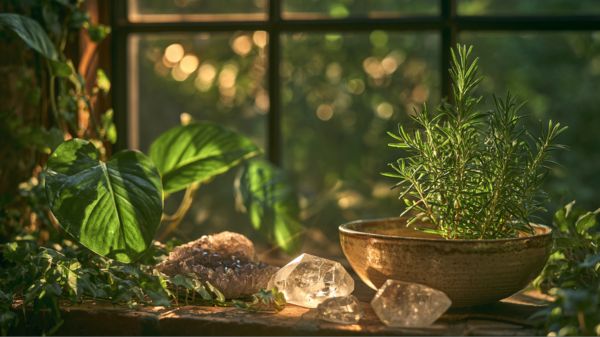
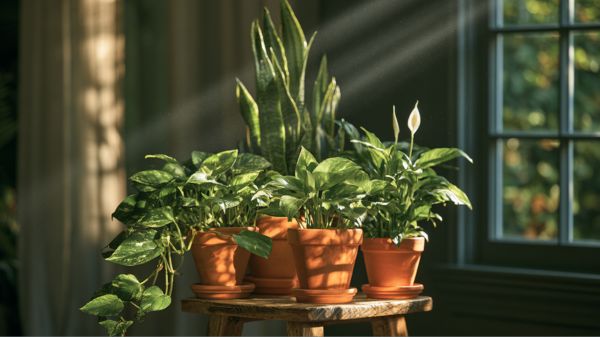

Houseplants have long been recognized as functional tools for improving indoor environments, with research supporting their capacity to filter airborne toxins and regulate atmospheric conditions. Beyond measurable air quality improvements, many practitioners associate specific species with energetic properties that influence emotional and psychological states within a space. Understanding which plants serve these purposes, where to position them, and how to maintain their effectiveness requires a structured approach that the following sections will systematically address. Let’s explore nine houseplants for home energy cleansing without smoke.
Key Takeaways
- Snake plants and peace lilies continuously neutralize airborne contaminants and stagnant energy, offering a smoke-free alternative to traditional smudging practices.
- Position plants strategically near entryways and high-traffic areas to intercept and disperse negative energies before they circulate throughout your home.
- Perform an energy-cleansing ritual by slowly moving purification plants like lavender, sage, or rosemary through each room, pausing at energy accumulation spots.
- Set clear intentions by holding each plant at chest level and verbally stating its desired cleansing purpose to enhance its energetic effectiveness.
- Maintain plant health through consistent watering, proper lighting, and foliage care, as neglected plants emit depleted frequencies that reduce cleansing potential.
Why Houseplants Are Powerful Energy Cleansers
Houseplants have long been recognized for their capacity to influence the energetic quality of interior spaces, a phenomenon supported by both ancient cultural traditions and contemporary research into biophilic design.
Their ability to alter energy vibration within a given environment stems from multiple physiological processes, including photosynthesis, transpiration, and the release of phytochemicals, all of which contribute measurably to the atmospheric conditions of a room.
When strategically positioned, multiple species can achieve plant synergy, wherein their combined biological outputs produce a more pronounced environmental effect than any single specimen could generate independently.
Studies in environmental psychology indicate that occupants of plant-rich interiors report improved cognitive clarity and emotional equilibrium, outcomes consistent with a shift in the ambient energetic conditions that houseplants systematically and continuously produce.
The Best Houseplants for Clearing Negative Energy
Certain species, selected for their particularly robust biological activity, have demonstrated a pronounced capacity to remediate energetically compromised interior environments, with specimens such as black tourmaline-associated sage, peace lilies, snake plants, and rosemary consistently identified across both traditional and contemporary frameworks as the most effective agents of energetic purification.
Snake plant benefits include continuous oxygen emission, while peace lily properties encompass electromagnetic field neutralization. Lavender aroma compounds reduce cortisol-linked environmental stagnation, pothos resilience guarantees sustained purification across variable conditions, bamboo symbolism correlates with structured energetic renewal, and succulents energy supports consistent ambient stabilization.
- Snake plants and peace lilies neutralize airborne contaminants effectively
- Pothos and succulents maintain purification under low-maintenance conditions
- Lavender and bamboo address vibrational and symbolic energetic dimensions
Common Mistakes That Block a Plant’s Cleansing Power
While houseplants carry the potential to shift stagnant or negative energy within a living space, several common errors consistently diminish their effectiveness, rendering them energetically inert despite their physical presence.
Neglecting plant health, a frequently observed oversight, compromises the plant’s vigor, as a wilting or dying organism is understood within energetic traditions to emit depleted rather than restorative frequencies.
Cluttered plant placement and the absence of deliberate energetic intentions further obstruct the cleansing process, as improper positioning disrupts the natural flow of energy through a space, while a lack of conscious purpose denies the practice its foundational directional force.
Neglecting Plant Health
Even the most energetically potent plant loses its capacity to cleanse and purify a space when its basic physical needs go unmet, as neglected health directly undermines both its biological functions and its ability to interact with the surrounding environment. Plant neglect introduces energy stagnation, disrupting the natural flow of vitality a healthy specimen would otherwise sustain throughout a room.
- Yellowing or wilting leaves signal compromised cellular function, reducing the plant’s environmental influence considerably.
- Root rot caused by overwatering creates stagnant biological matter, which counteracts cleansing intentions rather than supporting them.
- Insufficient light exposure diminishes photosynthetic activity, weakening the plant’s capacity to process air and sustain energetic output.
Consistent monitoring of soil moisture, light levels, and foliage condition remains essential for maintaining a plant’s full cleansing potential.
Cluttered Plant Placement
Beyond maintaining individual plant health, the physical arrangement of plants within a space carries considerable consequence for their ability to function as environmental purifiers, as overcrowding and disorganized placement obstruct both air circulation and the subtle energetic currents that healthy specimens depend upon to exert their influence.
When plants are clustered without intentional spacing, their root systems compete for nutrients, their foliage blocks necessary light exposure, and energy flow throughout the room becomes stagnant rather than dynamic. Practitioners who prioritize aesthetic balance distribute specimens at deliberate intervals, ensuring each plant occupies a position that allows unrestricted air movement around its entirety.
Strategic placement across multiple room zones, rather than concentrated groupings, maximizes purifying capacity and maintains the uninterrupted circulation that transforms houseplants into effective, continuous environmental cleansing agents.
Ignoring Energetic Intentions
Intention, as practitioners of energetic home care consistently emphasize, functions as a foundational variable in determining whether a houseplant actively contributes to environmental cleansing or remains a purely decorative specimen with negligible purifying influence.
Neglecting intention setting when introducing plants into a living space represents a measurable oversight, as emotional connections between caretaker and plant are understood to amplify or diminish energetic output. Practitioners identify several recurring errors in this domain:
- Placing plants without consciously assigning them a cleansing purpose
- Failing to maintain emotional connections through regular, mindful interaction
- Neglecting consistent intention setting during watering or care routines
These omissions collectively reduce a plant’s functional contribution to home energy management, rendering otherwise suitable specimens energetically inactive within their designated environments.
Where to Place Cleansing Plants in Your Home
Strategic placement of cleansing houseplants requires careful consideration of entry points and thresholds, where plants positioned near doorways are theorized to intercept and neutralize stagnant or negative energies before they circulate throughout the interior. High-traffic living areas, which accumulate energetic residue through sustained human activity, benefit from the presence of robust air-purifying species distributed at measured intervals across the space.
Bedroom energy zones, governed by principles of rest and restoration, demand a more deliberate and restrained placement approach, as the proximity and quantity of plants within sleeping environments directly influences the ambient energetic and atmospheric conditions maintained during overnight hours.
Entry Points and Thresholds
Certain thresholds and entry points within a home are considered, across numerous spiritual traditions, to be the most energetically permeable zones — areas where external energies, both beneficial and disruptive, pass most freely into the living space. Mindful placements of plants near these zones establish energetic boundaries, filtering incoming plant energies before they permeate sacred spaces deeper within the home.
- Front entryways benefit from peace lilies or snake plants, reinforcing threshold symbols that regulate energy flow.
- Back doors and side entrances represent secondary entry points requiring equal ritual spaces attention.
- Windows function as permeable boundaries where strategic plant placement redirects and neutralizes disruptive external energies efficiently.
Positioning cleansing plants deliberately at these locations strengthens the home’s overall energetic boundary framework.
High-Traffic Living Areas
High-traffic living areas — including living rooms, kitchens, and family gathering spaces — accumulate dense concentrations of energetic residue generated by sustained human activity, emotional exchange, and the continuous movement of occupants throughout daily routines. Strategic placement of cleansing plants within decorative arrangements maximizes both aesthetic integration and energetic function.
| Plant | Placement Zone | Primary Function |
| Peace Lily | Living room corners | Neutralizes stagnant energy |
| Spider Plant | Kitchen shelving | Disperses accumulated tension |
| Pothos | Gathering space focal points | Absorbs emotional residue |
| Snake Plant | High-traffic pathways | Stabilizes energetic flow |
Maintaining peak plant health through consistent watering, adequate lighting, and seasonal pruning guarantees sustained energetic output, preventing diminished cleansing effectiveness within frequently occupied spaces.
Bedroom Energy Zones
Bedroom environments, unlike the high-traffic living areas previously examined, present a distinct energetic profile characterized by prolonged stationary occupation, subconscious psychological processing during sleep cycles, and reduced daytime activity, all of which generate subtler but persistently accumulated energetic residue requiring targeted plant placement strategies. Strategic bedroom plants placement supports energy balance through deliberate positioning near windows, nightstands, and corners.
- Peace lilies positioned in southeastern corners absorb stagnant emotional residue accumulated during sleep cycles
- Snake plants placed near entryways neutralize incoming energetic disturbances before they permeate sleeping spaces
- Lavender specimens situated on nightstands simultaneously support atmospheric purification and physiological relaxation responses
Practitioners recommend limiting bedroom plant quantities to three specimens maximum, preventing energetic oversaturation while maintaining sufficient cleansing capacity throughout nocturnal hours.
How to Set an Intention When Bringing a Plant Home
Many practitioners of plant-based energy work believe that setting a clear intention when introducing a new plant into the home is a foundational step in the cleansing process. Intention setting, as it relates to plant energy, involves the deliberate mental and verbal articulation of a specific purpose assigned to the plant upon its arrival.
Practitioners typically recommend holding the plant at chest level, breathing slowly, and stating aloud the desired energetic function, whether that involves purifying stagnant energy, promoting calm, or establishing protective boundaries within a designated space. The plant, regarded as a living conduit within this framework, is thought to respond more effectively to its environment when the practitioner has established this initial communicative alignment prior to placement.
✨ Take the guesswork out of designing your sacred space.
You have the layout down, but which plants actually hold the energy of wealth, peace, or protection? I’ve compiled the ultimate cheat sheet for you. Download my free eBook, The Sacred Garden: 25 Spiritual Plants for Healing, Protection & Abundance. 👉 Click here to grab your copy and finish your altar.
How to Cleanse Your Home’s Energy With a Plant Ritual
Gathering ritual plants for home energy cleansing requires deliberate selection of species historically associated with purification, such as sage, rosemary, or lavender, each of which carries distinct energetic properties that practitioners believe influence the vibrational quality of a given space.
Once the appropriate plants have been gathered, the practitioner must establish a quiet, undisturbed environment in which focused intention can be directed toward the plants, mentally articulating the specific energetic outcome desired for the home.
The ritual process then involves moving the selected plants systematically through each room, pausing at thresholds and corners, where stagnant energy is commonly believed to accumulate, while maintaining a continuous mental or verbal affirmation of the stated intention.
Gathering Your Ritual Plants
The selection of appropriate plants for an energy-cleansing ritual requires careful consideration of both botanical properties and the specific energetic intentions one aims to achieve. Effective plant selection strategies involve researching plants traditionally associated with purification, such as rosemary, lavender, and sage, while accounting for seasonal plant considerations that influence availability and potency.
- Rosemary (Rosmarinus officinalis) is traditionally recognized for its protective and clarifying energetic properties
- Lavender (Lavandula angustifolia) is associated with calming and purifying environmental energy
- Peace Lily (Spathiphyllum wallisii) absorbs stagnant energy while promoting spiritual clarity
Practitioners should source plants from reputable botanical suppliers, ensuring specimens are healthy, pesticide-free, and ethically harvested, as compromised plant health may diminish the ritual’s intended energetic efficacy.
Setting Intentions With Plants
Setting intentions with plants forms a foundational step in the energy-cleansing ritual, requiring the practitioner to establish a clear and focused energetic purpose before engaging with the selected botanical specimens.
The practitioner should hold each plant, contemplating its specific plant symbolism, which varies greatly across species, as rosemary historically signifies purification while peace lilies represent harmonious, tranquil energy.
Energy alignment occurs when the practitioner consciously connects personal intention with the plant’s inherent vibrational properties, creating a unified energetic field. This process requires several minutes of focused, deliberate concentration per specimen, during which the practitioner mentally articulates the specific energetic outcome desired.
Documentation of stated intentions through journaling reinforces clarity, ensuring subsequent ritual steps remain purposefully directed toward the predetermined energetic objective.
Plants That Anchor Calm, Focus, or Creativity in a Room
Beyond their aesthetic and air-purifying qualities, certain houseplants have been observed, across various holistic and environmental psychology frameworks, to exert a measurable influence on the psychological atmosphere of a given space, anchoring specific emotional or cognitive states such as calm, focus, or creativity.
Calm inducing plants, focus enhancing species, and creativity boosting flora each serve distinct functions as energy anchoring greenery within intentional interior environments. Serenity plants such as lavender and chamomile, mindfulness plants like peace lilies, and inspiration plants such as pothos have demonstrated consistent associations with particular cognitive states.
Certain houseplants do more than beautify — they anchor distinct psychological states, from calm and focus to creative inspiration.
- Lavender and chamomile support peaceful plant varieties linked to reduced anxiety responses
- Snake plants function as focus enhancing species within work-oriented spaces
- Pothos and bromeliad operate as inspiration plants, stimulating creative cognitive conditions
How to Care for Plants So Their Energy Stays Strong
Maintaining a houseplant’s vigor requires consistent attention to its core physiological needs, including adequate light exposure, appropriate watering schedules, proper soil composition, and periodic nutrient supplementation, as neglect of any single variable can compromise not only the plant’s physical health but also, within holistic frameworks, its capacity to sustain the energetic qualities attributed to it.
Seasonal care, pest control, propagation methods, and repotting tips further support sustained liveliness, while growth monitoring and plant compatibility assessments guarantee cohesive placement.
| Care Variable | Key Consideration |
| Plant Nutrition | Balanced fertilization schedules |
| Watering Techniques | Avoid root saturation |
| Sunlight Requirements | Species-specific thresholds |
| Soil Health | Well-draining, pH-appropriate mix |
| Propagation Methods | Division or cuttings preferred |
Signs the Energy in Your Home Is Shifting
Once a houseplant’s care regimen has been established and its physical health stabilized, practitioners of energy-based home frameworks often turn their attention to the observable and experiential indicators that suggest a household’s energetic state is undergoing change, whether through improvement or deterioration.
Energy shifts may manifest through heightened emotional sensitivity among occupants, altered sleep patterns, or increased environmental awareness regarding spatial comfort.
- Occupants may notice subconscious influences affecting their mood upon entering specific rooms
- Plants positioned near high-traffic areas may visibly respond to surrounding atmospheric conditions
- Household members frequently report spontaneous shifts in interpersonal communication quality
These indicators, though subjective, are treated within this framework as diagnostic data points, allowing practitioners to assess whether existing plant placement and care protocols require adjustment to sustain beneficial energetic conditions throughout the residential environment.
Building a Plant Sanctuary in Every Room
Creating a dedicated plant sanctuary within each room requires a systematic approach to spatial assessment, wherein practitioners evaluate the light availability, humidity levels, and traffic flow of individual spaces before selecting species suited to those precise conditions.
Room designs must accommodate plant types strategically, ensuring energy flow remains unobstructed while maximizing each specimen’s healing properties. Species benefits vary considerably, with succulents providing reliable oxygen release in low-humidity environments, while ferns demonstrate superior botanical synergy in moisture-rich bathrooms.
Arrangement styles should balance aesthetic appeal with functional placement, grouping specimens that share compatible maintenance tips and complementary root systems.
Practitioners who deliberately consider each plant’s positioning within architectural spaces ultimately cultivate environments where multiple species collectively amplify their individual restorative qualities throughout designated household zones.
Need the perfect plants for your new altar? Don’t buy anything until you read The Sacred Garden. Discover the top 25 plants for high-vibe living. Get the free book here.
Frequently Asked Questions
Can Houseplants Replace Smudging Rituals for People With Smoke Allergies?
For individuals with smoke allergies, houseplants present a viable alternative to smudging rituals, as certain species, including lavender, rosemary, and sage, facilitate air purification by filtering toxins, while simultaneously promoting positive vibes within a given space. Research indicates that plants such as peace lilies and snake plants effectively neutralize airborne pollutants, thereby creating an environment conducive to energetic cleansing without producing smoke-related irritants.
How Long Does It Take for a Plant to Shift Energy?
The timeframe for houseplants to shift energy vibrations varies, with practitioners of plant therapy suggesting that immediate subtle changes may occur upon introduction, while more significant energetic shifts typically manifest over days to weeks. Consistent placement, proper care, and intentional interaction with the plants are considered contributing factors, as thriving, healthy specimens are believed to generate stronger, more sustained energetic influence within a given space.
Do Artificial or Fake Plants Have Any Energy-Cleansing Properties at All?
Artificial plants do not possess energy-cleansing properties, as they generate no artificial vibrations or synthetic energy capable of interacting with a space’s energetic field. Unlike living plants, which engage in biological processes such as photosynthesis and respiration, producing measurable outputs, synthetic replicas remain inert, offering no vibrational resonance, oxygen exchange, or organic growth cycles that practitioners associate with authentic energetic cleansing and environmental harmonization.
Can a Dying Plant Make Your Home’s Energy Worse Over Time?
Like a candle burning at both ends, a dying plant’s deteriorating plant health may indeed negatively affect a home’s energy over time. As the plant struggles, its diminished vigor contributes to energy depletion within the surrounding environment, rather than renewal. Practitioners of energy work suggest that decaying organic matter emits a stagnant, heavy energy, which may counteract the intended purifying benefits houseplants are traditionally believed to provide.
Should You Cleanse a New Plant Before Bringing It Inside Your Home?
Many practitioners recommend cleansing a new plant’s energy before introducing it into the home, as it may carry residual energy from previous environments. New plant care rituals often involve placing the plant outdoors briefly, rinsing its leaves, or using sound vibrations to reset its plant energy. This process is believed to establish a clean energetic foundation, ensuring the plant contributes positively to the home’s overall energetic atmosphere.
Conclusion
Ironically, those who seek to purify their living environments through elaborate smoke-based rituals may find that houseplants, organisms requiring nothing more than water, light, and occasional attention, accomplish the same energetic objectives with considerably greater permanence and measurable air-quality benefits. Research consistently demonstrates that strategically positioned flora reduces airborne toxins, modulates cortisol levels, and stabilizes atmospheric conditions within domestic spaces, suggesting that the most sophisticated energy-cleansing methodology available requires no ceremonial preparation whatsoever, only consistent horticultural maintenance.